Important Basics to Know About Sewer Line Repair
Sewer lines carry wastewater from toilets, tubs, and sinks out to the municipal main or septic system. When those underground sewer pipes fail, problems often appear first as slow drains, repeated toilet clog issues, or foul odors around the property. Prompt attention can help prevent messy backups inside and damage to landscaping outside. This guide outlines the most common signs that a sewer line clog or leak is developing, what typically causes damage, and how licensed plumbers diagnose and repair failing sewer lines with modern techniques.
What Signs Indicate Sewer Line Repair Is Needed?
 Sewer trouble usually starts with symptoms that seem minor. Drains throughout the home may begin to empty slowly, even after standard snaking or cleaning. A frequently clogged toilet, especially on the lowest level, can point to a deeper issue rather than a simple fixture problem. Gurgling sounds from tub or shower drains when a toilet is flushed suggest air trapped in partially blocked sewer pipes.
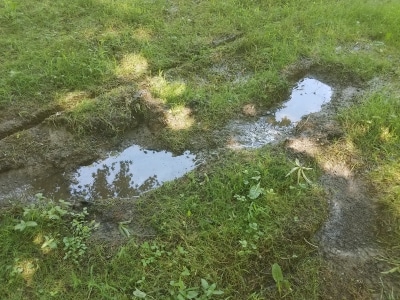
Odors are another major clue. A smell similar to sewage around floor drains, near the yard, or along the foundation can signal a leak or sewer line clog. Outside, unexplained wet spots, standing puddles on dry days, or isolated patches of especially green grass may indicate that wastewater is escaping underground. When several fixtures back up at once, or when a clogged toilet returns soon after clearing, a clogged sewer line is often to blame, and sewer line repair should be investigated.
What Causes Sewer Line Damage?
 Many different factors can harm buried sewer lines over time. In older neighborhoods, clay or cast-iron sewer pipes may crack, shift apart, or corrode after decades in the ground. Shifting soil from seasonal moisture changes, nearby construction, or settling foundations can strain joints and create low spots that trap debris.
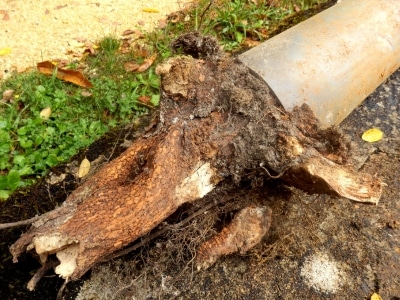
Tree roots are another common cause. Roots seek moisture and can slip into tiny cracks, gradually widening them and forming a stubborn sewer line clog. Everyday habits also play a role. Flushing wipes, feminine products, or other non-flushable items, and pouring grease down sinks, can build thick blockages that stress pipe walls. In some cases, repeated toilet repair attempts at the fixture reveal an underlying issue that really starts in the main sewer line.
How Is Sewer Line Repair Done?
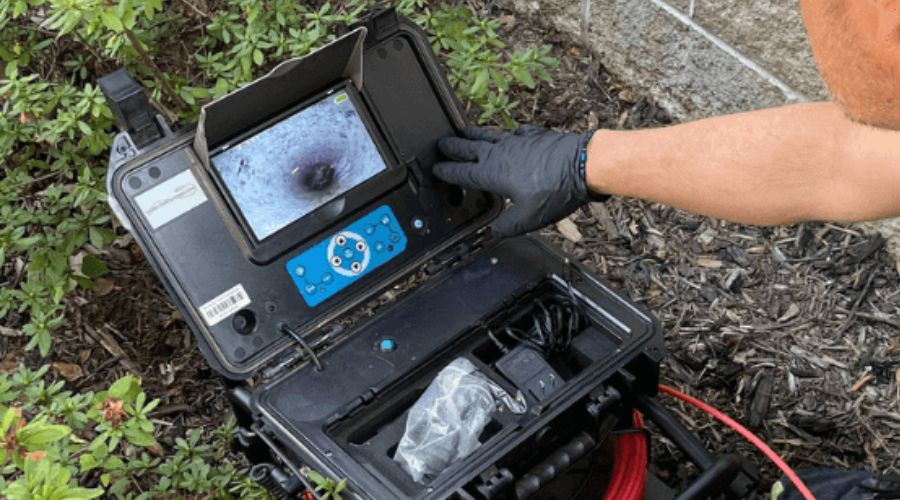
Professional plumbers typically begin with a sewer video inspection. A flexible camera is fed through access points to view the inside of sewer lines, pinpointing cracks, intrusions, or blockages, and showing how extensive the damage is. This information helps determine whether simple clearing or more involved repair is needed.
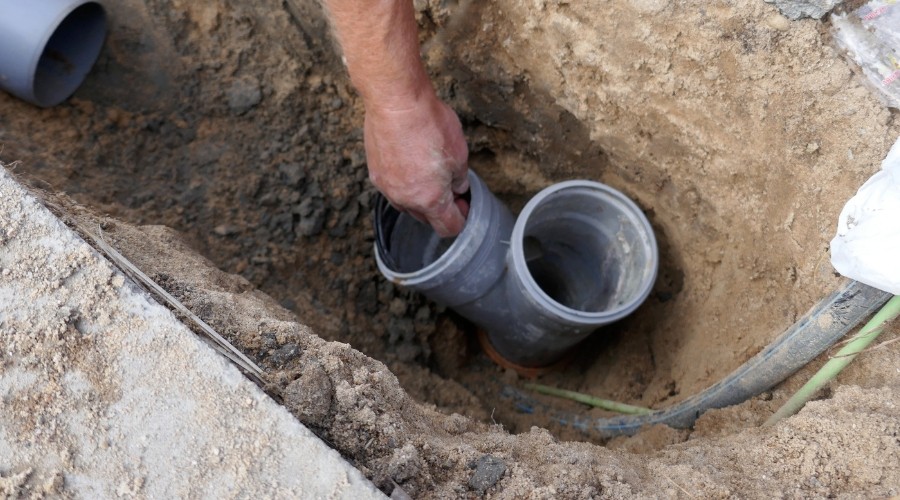
If the pipe is structurally sound but obstructed, hydro jetting may clear the clogged sewer line. For more significant damage, trenchless methods such as pipe lining or pipe bursting can often restore flow with minimal digging. In other cases, traditional excavation is necessary to replace broken sections or entire runs of sewer pipes. During these projects, plumbers may also recommend toilet replacement or updated toilet installation if older fixtures contributed to recurring toilet clog problems. Addressing both the main line and connected toilets reduces the chance of future backups.
About Super Plumbers
Super Plumbers proudly serve Tyler and the surrounding communities with a comprehensive range of plumbing services. They offer a 100% satisfaction guarantee backed by competitive, upfront pricing and personalized service. Call them today to schedule sewer line repair in Tyler, TX.
)
Distribution Links +
- https://smb.magnoliastatelive.com
- https://smb.orangeleader.com
- https://smb.panews.com
- https://smb.picayuneitem.com
- https://smb.lobservateur.com
- https://smb.panolian.com
- https://smb.americustimesrecorder.com
- https://smb.amnews.com
- https://smb.americanpress.com
- https://smb.dailyleader.com
- https://smb.oxfordeagle.com
- https://smb.bluegrasslive.com
- https://smb.claiborneprogress.net
- https://smb.elizabethton.com
- https://smb.jessaminejournal.com
- https://smb.kenbridgevictoriadispatch.com
- https://smb.thesnaponline.com
- https://smb.clemmonscourier.net
- https://smb.harlandaily.com
- https://smb.irontontribune.com
- https://smb.ourdavie.com
- https://smb.state-journal.com
- https://smb.theinteriorjournal.com
- https://smb.farmvilleherald.com
- https://smb.thepostsearchlight.com
- https://smb.theleesvilleleader.com
- https://smb.beauregardnews.com
- https://pr.hattiesburg.com
- https://pr.boreal.org
- https://pr.walnutcreekmagazine.com
- https://pr.thembnews.com
- https://pr.timesofsandiego.com
- https://pr.chestercounty.com
- https://pr.wncbusiness.com
- https://pr.ashlandtownnews.com
- https://pr.franklintownnews.com
- https://pr.hollistontownnews.com
- https://pr.hopedaletownnews.com
- https://pr.millismedwaynews.com
- https://pr.norfolkwrenthamnews.com
- https://pr.norwoodtownnews.com
- https://pr.columbiabusinessmonthly.com
- https://pr.herrimanjournal.com
- https://pr.holladayjournal.com
- https://pr.midvalejournal.com
- https://pr.sandyjournal.com
- https://pr.southjordanjournal.com
- https://pr.valleyjournals.com
- https://pr.wvcjournal.com
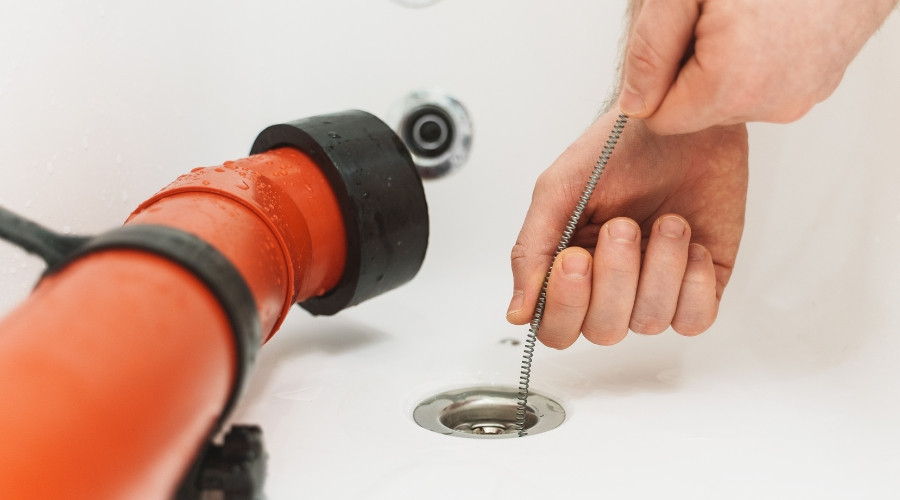
 Unusual sounds, such as gurgling or bubbling, coming from the home’s sinks, tubs, or toilet drains often indicate a clogged drain line or sewer line. These noises are caused by air being trapped and forced up through the water column as wastewater struggles to navigate past an obstruction. Similarly, a persistent,
  A noticeable deceleration in water drainage speed is another sign of an existing or developing pipe obstruction. This
 )
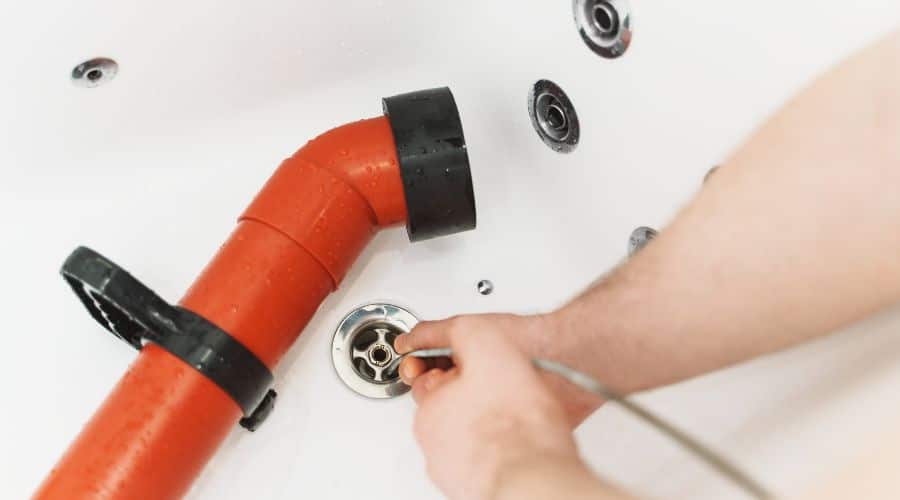
 When people think of water draining out of a basin or stool, the first thing that comes to mind is the sound. One of the things that most people don’t realize is that this is a sign of an impending clog.
  Before the drain stops flowing entirely, it usually drains slowly. This sign should be a reminder to the owner that routine drain and sewer line cleaning needs to be done soon. If a single drain is draining slowly, homeowners can try some
 )
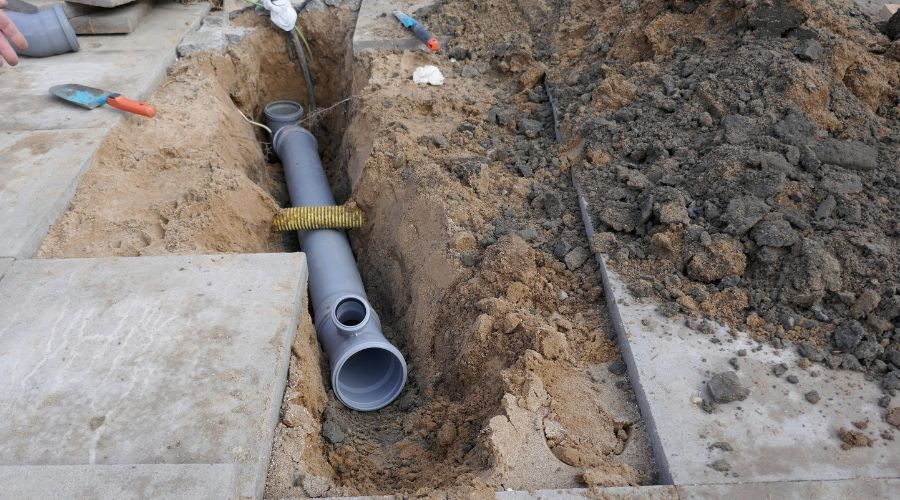
 Trenchless pipe repair methods can be used for almost any type of pipeline need. There are very few circumstances in which these solutions cannot be used. Professionals turn to CIPP the most because it is extremely versatile. The only limitations of this particular method are extensive
  We’ve discussed many advantages of these methods. The biggest advantage of trenchless sewer line repair is avoiding unnecessary plumbing
 )
 Although sewer lines are great at removing waste from the home, that doesn't mean everything is safe to flush. One of the easiest ways for homeowners to avoid a sewer line clog is to monitor what's going down the drain.
  Prevention may be the first strategy to avoid sewer line repair, but emergencies still happen. Sewer lines are particularly dangerous because most pipes are underground and around the home. That means warning signs are harder to stop, and as they're free to flow, they can damage the home's foundation.
)

